
Resources to assist immigrants with adapting to the US

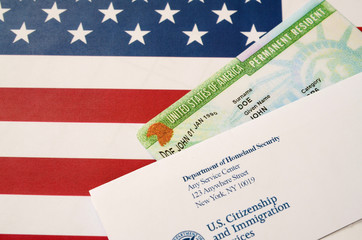
Navigating immigration law can be challenging, especially when you are also dealing with major life changes like divorce. For many non-citizens married to U.S. citizens or lawful permanent residents, marriage serves as the foundation for their path to a green card and permanent residency. However, if the marriage ends before the immigration process is complete, applicants may question their ability to remain in the country and finalize their status. If you’re wondering whether you can still obtain a green card if you get a divorce, continue reading below. Work with a knowledgeable New York City green card immigration lawyer for skilled legal assistance.
A green card, or Permanent Resident Card, grants an individual authorization to live and work permanently in the United States. It is a crucial step toward U.S. citizenship and grants the individual many of the same rights as citizens. Each year, thousands of people obtain green cards based on marriage to a U.S. citizen or lawful permanent resident.
Yes, it is still possible to obtain a green card even if you decide to get a divorce. However, your ability to secure status depends on the specific circumstances of your situation, most notably when the divorce happens and the status that you have at the time.
If your marriage ends before your Form I-130 (Petition for Alien Relative) or I-485 (Adjustment of Status) is approved, your marriage-based application is likely to be denied because the legal basis for your green card application (your marriage) ceases to exist. You will typically need to explore alternative paths, such as applying through employment-based visas, asylum, the Violence Against Women Act (VAWA) if abuse was involved, or seeking another qualifying visa type.
Conditional green cards are generally valid for two years. If you divorce after receiving a conditional green card, you must file Form I-751, the Petition to Remove Conditions on Residence, before it expires. You must request a waiver of the joint filing requirement, proving the marriage was entered in good faith and was not dissolved simply to evade immigration laws. Failure to file or receive this waiver can lead to removal proceedings.
If you were already issued a 10-year green card, your divorce will generally have no direct impact on your permanent resident status. Your residency is no longer conditional or dependent on the marriage, so you will likely retain your status. However, a divorce may be relevant when you apply for U.S. citizenship, as you typically must still meet all other eligibility requirements, including continuous residency and good moral character.
Immigration law is a complex thing, so secure the help of an experienced attorney today.

© 2026 The Law Offices of Cheryl R. David. All rights reserved. Attorney advertising.